
You will be given instructions regarding your surgery during your consultation appointment. Every patient must have a responsible adult accompany them to the office, remain in the office during the surgery and then drive them home.
Pre-Operative Care Instructions
On the Morning of Surgery:
- Don’t eat or drink (including water) for six hours prior to your appointment or after midnight before jaw surgery.
- Refrain from smoking for at least 12 hours before surgery. Smoking cessation is highly recommended prior to and following all implant and implant-related procedures as well as jaw surgery.
- Wear comfortable, loose-fitting clothing with sleeves that can be rolled up past the elbows and low-heeled shoes.
- Remove contact lenses, jewelry and dentures.
- Don’t wear lipstick, nail polish or makeup.
- Call the office beforehand if you have an illness like a cold, sore throat or upset stomach.
- Take your routine prescription medications with a sip of water unless instructed otherwise.
After surgery, we will give you a postoperative bag that includes detailed instructions and additional gauze. Prescriptions will also be given to you to be filled at the pharmacy on your way home from our office. Carefully following our directions for care can prevent unnecessary pain and complications and help you heal more quickly.
Post-Operative Care Instructions
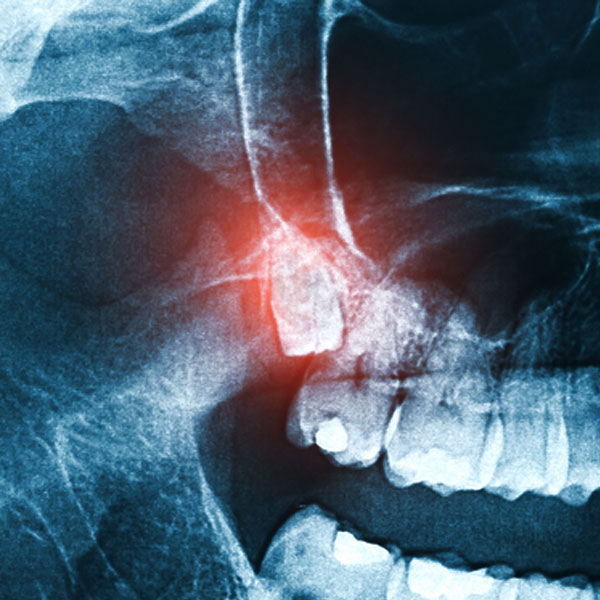
Wisdom Tooth Removal
Following Surgery:
When you leave our office, your mouth will be numb and you will have gauze in your mouth for you to bite down on to control bleeding. Keep the gauze in place for one hour. After that, you can take it out and discard it.
- Don’t touch the wound area or rinse your mouth vigorously.
- Avoid spitting, smoking or drinking from a straw as this can dislodge the formed blood clot causing bleeding or dry socket.
- Start taking your prescribed pain medication one hour after leaving the office with soft food.
- Restrict your activities on the day of surgery and resume them when you feel comfortable.
- Place ice packs on the sides of your face 30 minutes on and off.
- Keep your head elevated by sleeping in a recliner chair or propped up on a sofa for 72 hours.
- If you receive an irrigation syringe in your bag, do NOT use it for one week following surgery. After one week of healing, you may fill the syringe with mouthwash and water or warm salt water and irrigate the lower wisdom tooth extraction sockets. You’ll do this after meals and when you feel food trapped in the healing sockets.
Swelling and a certain amount of bleeding are normal and will resolve on their own. Stick to soft foods and stay hydrated during the days following surgery. Don’t rinse your mouth until the day after the procedure. At that point, keep your mouth clean by rinsing five or six times daily with a cup of warm water mixed with a quarter teaspoon of salt. You can brush your teeth very gently. A dry socket is when the blood clot gets dislodged prematurely from the tooth socket. Symptoms include pain at the surgical site and even pain in the ear and may occur two to three days after surgery. If this occurs or you have any questions or concerns, please give our office a call.
Implant-Related Procedures
(Dental Implants, All-on-4, Bone Grafting, Sinus Lift, etc.)
Swelling and some bleeding are completely normal and will go away on their own. In the days following surgery, eat soft foods and be sure to stay hydrated. Don’t rinse your mouth on the day of surgery. The day after the procedure, rinse five or six times daily with one cup of warm water mixed with a quarter teaspoon of salt to keep your mouth clean. You can brush your teeth gently with a soft toothbrush, avoiding the surgical site for one week. If you have any questions or you feel the bleeding or swelling is excessive, please give our office a call.
Following Surgery:
We’ll place gauze in your mouth before you leave our office. Biting down on it will help to keep bleeding under control. Leave it in place for an hour. After that time, you can take it out and throw it away.
- Don’t vigorously rinse your mouth or touch the wound area.
- Try to avoid touching the sutures with your tongue. This is easier said than done. Keeping gauze in place will help protect the sutures from early dislodgement.
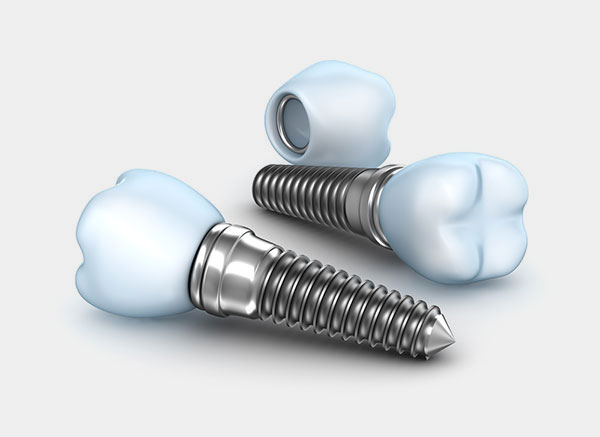
- After dental implant surgery, you may have a metal or plastic healing abutment protruding through your gums. The healing abutment will shape and form the gum tissue while the bone is healing around the implant. After one week of healing, you may gently brush the abutment with a soft toothbrush.
- Don’t spit, smoke or drink from a straw.
- Begin taking your prescribed pain medication an hour after you leave our office.
- On the day of your surgery, restrict your activities. You can resume them when you feel comfortable unless otherwise instructed.
- During the first 72 hours, apply an ice pack to the side of your face for 30 minutes on and 30 minutes off.
- Keep your head elevated by sleeping propped up on the sofa or in a recliner for 72 hours.
- If you had a sinus lift, don’t blow your nose for two weeks following the procedure as it can disrupt the grafted bone and lead to graft failure. You should also avoid blowing your nose for two weeks after All-on-4 surgery.
Jaw Surgery

In the majority of patients, the process begins months before your surgery with orthodontic treatment. You’ll start by wearing braces to straighten your teeth. Pre-surgical orthodontics/braces typically lasts around 12 months but can be more or less depending on the severity of the jaw discrepancy. Your orthodontist will resume orthodontic tooth movements one to two months following surgery. Post-surgical orthodontics usually lasts about 12 months but can vary based on your specific needs.
Your surgery will take place in the operating room as an outpatient procedure or with an overnight stay in the hospital. Be sure to follow all post-operative instructions carefully when you go home. Most patients are able to return to school or work in two to four weeks. It can take between four and six weeks for the bone to heal and harden so that you can chew properly. Stick with soft foods and liquids during this recuperation period and avoid exercising. It can take up to a year for full jaw function to be restored. You’ll come in for regular appointments with us for the first few months after your procedure. Once your jaw has started to heal, your orthodontist will continue orthodontic treatment with braces to lock the bite into place and fine-tune any details.